

From Clay Pots to Modern Kitchens: The Art of Pakistani Slow Cooking
Introduction: The Magic of Cooking Slowly
In a fast-moving world of express meals and instant recipes, there’s something powerful about food that takes time.
The slow cooking tradition of Pakistan is built on patience — letting the heat do its quiet work, allowing every spice to sink deep into the meat, and creating flavors that tell stories of generations.
From Balochi sajji pits to Punjabi handis and Lahori tandoors, every region of Pakistan has its own way of mastering slow heat.
At Dogar Foods Sajji, we carry that legacy forward — keeping the same taste and texture alive, now served through modern kitchens and delivery boxes.
1. Why Slow Cooking Is the Heart of Pakistani Cuisine
Slow cooking isn’t just a technique; it’s a tradition.
In old Pakistani homes, food wasn’t rushed. Meals were prepared early in the morning, often by grandmothers or mothers who believed good food needed time. The aroma of spices filled the courtyard, clay pots sat over wood fires, and every dish felt like love cooked into flavor.
That’s why, even today, no fast-cooked meal can match the depth and comfort of a slow-cooked one.
Common slow-cooked Pakistani dishes include:
- Nihari – cooked overnight until the meat melts into the gravy
- Haleem – stirred for hours to create that smooth, rich texture
- Sajji roast – slow fire-roasted meat with natural tenderness
- Karahi and Handi – simmered for long periods to lock in flavor
Each of these dishes reminds us that good food takes time — and time makes taste.
2. The Clay Pot (Handi): Pakistan’s First Slow Cooker
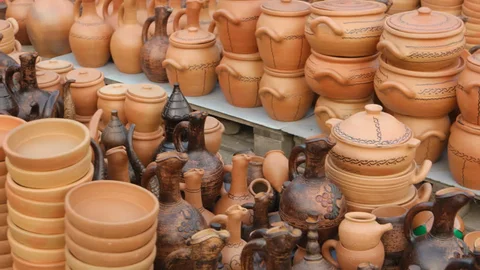
Before there were ovens and pressure cookers, there was the handi — a clay pot used for slow cooking across the subcontinent.
Why Clay Pots Were Special
Clay pots held moisture and heat evenly. That meant meat stayed tender, and spices had time to release their full aroma.
In rural Punjab and Sindh, women used to prepare meat curries or daals in a handi early in the morning, letting them simmer while they worked around the house.
The earthy smell of clay blended with spices gave the food a unique rustic flavor — something no metal utensil could match.
Even today, many top restaurants in Lahore serve handi-style chicken or mutton karahi because people love that rich, smoky flavor.
At Dogar Foods Sajji, our chefs respect that heritage. Our slow-cooked dishes — especially our sajji roast — are inspired by the same principles of heat, patience, and simplicity that the handi taught us.
3. The Tandoor: The Heat That Built Communities
If the handi ruled home kitchens, the tandoor ruled the streets and courtyards.
A tandoor is a clay oven heated with wood or coal, used to bake naan, cook kebabs, and roast meats. The high, dry heat of the tandoor sears the outside while keeping the inside juicy.
In many villages, neighbors would share a single community tandoor. Women brought their marinated meats or doughs to cook together — food became a reason to connect.
That tradition still lives on in Lahore’s neighborhoods. You can smell tandoori smoke in the air from morning till night — the scent of tradition that refuses to fade.
At Dogar Foods Sajji, we don’t use traditional tandoors for everything, but we do use modern ovens that mimic that same dry, smoky environment — giving our sajji roast its signature texture: crispy on the outside, soft inside.
4. The Sajji Pit: Flame, Patience, and Perfection
Then there’s the sajji pit — the heart of Baloch cooking.
Traditional sajji is made by skewering whole lamb or chicken, coating it with salt, and roasting it vertically near an open pit fire. The slow, even roasting allows fat to drip and flavor the meat naturally. It’s simple, honest, and full of character.
Sajji’s Secret
The secret of good sajji isn’t in the ingredients — it’s in the patience.
The process can take hours, but that’s where the magic happens. The slow heat makes the meat tender, and the slight smokiness from burning wood adds depth that can’t be faked.
When sajji arrived in Lahore, people added their own touch — rice, sauces, and light spices — but the soul of the dish remained the same.
At Dogar Foods Sajji, we bring both worlds together. Our sajji roast is cooked using slow, controlled heat to capture that rustic Balochi flavor while making it perfect for Lahore’s modern taste.
5. From Firewood to Flame Grills: How Modern Kitchens Carry Tradition
Technology has changed the tools, but not the heart of cooking.
In old times, cooks relied on open fires, smoke, and instinct. Today’s chefs use ovens, grills, and timers. But the goal is still the same — to let flavor grow slowly.
At Dogar Foods Sajji, we use:
- Temperature-controlled ovens to maintain the perfect slow roast for sajji.
- Natural charcoal and wood essence for smoky aroma.
- Thick marination that absorbs flavor during long cooking periods.
- Clay-inspired serving styles for that traditional look and feel.
The result? A dish that feels old, tastes fresh, and fits the fast life of modern Lahore.
6. Why Slow Cooking Will Never Go Out of Style
Fast food may save time, but slow food saves memories.
Here’s why Pakistani slow-cooked dishes — especially sajji roast — will always be loved:
- Flavor Depth: The longer food cooks, the more the ingredients bond together.
- Tender Texture: Slow heat breaks down meat fibers perfectly.
- Healthy Cooking: No need for heavy frying or extra oil — just time and heat.
- Emotional Value: Slow food feels like home — it reminds us of our roots.
That’s why, even when you eat a quick meal, your heart still craves that slow-cooked comfort. It’s not just taste — it’s emotion.
7. Traditional Food in Modern Lahore
Lahore has always been the food capital of Pakistan. And while it’s full of new cafés and global fast-food chains, the soul of its cuisine still lives in slow-cooked traditions.
Walk through the city, and you’ll see it everywhere:
- Nihari bubbling in pots near Mozang.
- Haleem stalls near Data Darbar.
- Sajji roasters in Johar Town and Gulberg.
- Handi karahi served in clay dishes in old Walled City eateries.
Lahoris love experimenting with new flavors but never forget where their food culture began.
Dogar Foods Sajji stands proudly in that balance — offering traditional taste made with modern convenience.
8. How Dogar Foods Sajji Preserves the Art of Slow Cooking
We’re more than a restaurant — we’re keepers of a food tradition.
Here’s how we keep the art alive in every order:
a) Authentic Techniques
We still rely on time-tested roasting methods for sajji — slow, even heat that locks in moisture. Our chefs know that every minute adds depth to the flavor.
b) Quality Ingredients
We use fresh meat, clean charcoal essence, and hand-ground spices. No shortcuts, no artificial flavors.
c) Flavor Consistency
Each sajji roast goes through a controlled process — marination, resting, roasting — just like old sajji masters did in Balochistan.
d) Customer Experience
Whether you dine in, take away, or order delivery, your food arrives hot, juicy, and full of that slow-cooked taste.
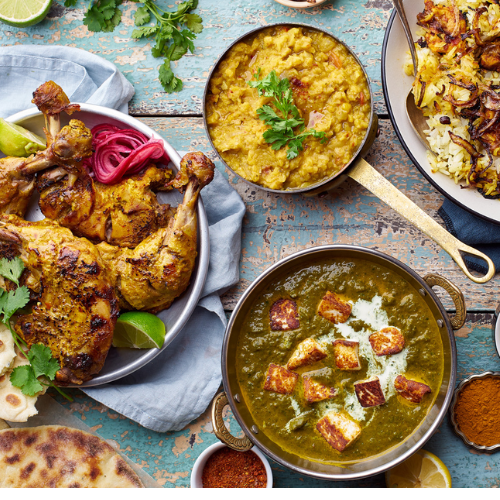
We even serve in traditional-style dishes to give that “home-cooked” comfort.
9. The Emotional Connection of Slow Food
Food is emotional — especially in Pakistan. It’s how we show love, celebrate success, and comfort each other.
When you take a bite of a slow-cooked dish like sajji, it’s not just flavor — it’s memory.
You remember old family dinners, the smell of your mother’s kitchen, or that one picnic where the meat roasted for hours.
That’s what we want to bring back at Dogar Foods Sajji — food that feels familiar, comforting, and real.
10. Bringing the Past to the Present — The Dogar Way
We know life is fast now — people want food that’s quick, easy, and ready to go. But what if you could have both?
At Dogar Foods Sajji, we merge the past with the present:
- Traditional recipes cooked using modern technology.
- Heritage taste available through delivery apps.
- Old family-style dining with modern restaurant comfort.
You can enjoy a sajji roast that tastes like it came from a Baloch pit, even if you’re sitting in your Lahore living room.
Conclusion: Slow Cooking, Fast Lives, and Lasting Taste
Clay pots, tandoors, sajji pits — they all tell one story: good things take time.
From the quiet kitchens of our ancestors to the busy grills of modern Lahore, slow cooking remains the soul of Pakistani food.
At Dogar Foods Sajji, every roast, every dish carries that story forward.
We cook slow so you can eat with peace, comfort, and pride — whether it’s dine-in, takeaway, or home delivery.
Because in the end, the best food isn’t about speed.
It’s about patience, passion, and people who love to share what they cook.
Call to Action
Experience the tradition of Pakistani slow-cooked food today.
Visit Dogar Foods Sajji, Lahore or order your signature sajji roast online for delivery or takeaway.
🔥 Slow-cooked perfection. Fast service. Real flavor.
Suggested Image Alt Texts
- “Traditional clay handi on open fire – Pakistani slow-cooked food.”
- “Whole sajji roast cooking over charcoal – Dogar Foods Sajji Lahore.”
- “Chef plating sajji roast in modern restaurant kitchen.”