

Heritage on a Plate: Exploring Lahore’s Timeless Dishes
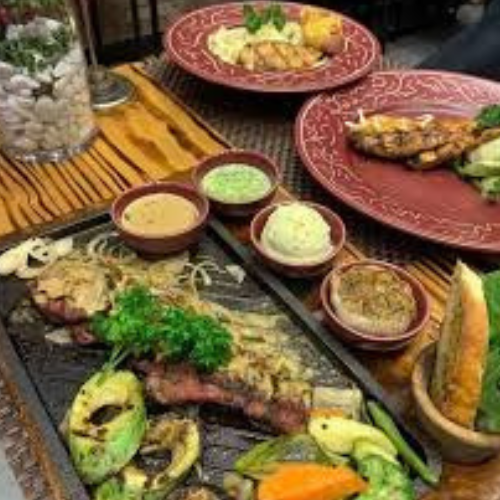
Introduction:
The City That Eats with Its Heart
Lahore isn’t just known for its history, architecture, or people — it’s known for its food.
If you’ve ever walked through the city early in the morning or late at night, you’ll notice one thing — something delicious is always cooking.
The aroma of simmering nihari, the sound of sizzling karahi, or the golden roast of sajji — these are not just meals; they are stories of Lahore’s heritage.
At Dogar Foods Sajji, we celebrate those stories every day. Our kitchen isn’t just a place of cooking; it’s where traditions are kept alive, one recipe at a time.
Let’s take a journey through Lahore’s timeless dishes — the ones that have shaped generations and continue to define what true Pakistani food means.
1. Lahore’s Love Affair with Heritage Food
Lahore’s food culture dates back centuries, rooted in Mughal traditions, Punjabi warmth, and the rugged simplicity of Baloch flavors.
From royal kitchens to street stalls, the essence has remained the same — slow-cooked, soulful, and full of love.
In Lahore, food isn’t rushed. It’s an experience.
Meals are shared, stories are told, and recipes are passed down like family treasures.
This is the philosophy we follow at Dogar Foods Sajji — combining old recipes with modern comfort while keeping the soul of Lahore’s food alive.
2. Paya: The Royal Breakfast of Lahore
Before the city wakes up, Lahore’s kitchens are already bubbling with paya — a traditional dish made from slow-cooked trotters (goat or cow).
Once considered a royal breakfast, paya became a symbol of Lahori mornings. Cooked overnight with ginger, garlic, and bone marrow, it’s served hot with naan, creating that rich, gelatinous flavor that only patience can produce.
Paya isn’t just food — it’s nostalgia.
It reminds Lahoris of early-morning family breakfasts, street vendors shouting “garma garam paye!” and winter mornings filled with warmth and laughter.
At Dogar Foods Sajji, we understand that connection — which is why every dish we serve, whether paya or sajji, carries that same homemade comfort.
3. Haleem: The Dish That Brings People Together
If there’s one dish that represents unity and tradition, it’s haleem.
Made with lentils, meat, wheat, and spices, it’s slow-cooked for hours until everything blends into a smooth, rich texture.
In old Lahore, haleem wasn’t just cooked — it was celebrated. Families would gather around clay pots, stirring together and sharing stories as it simmered for hours.
That spirit still lives on.
Today, haleem remains one of Lahore’s most beloved dishes — especially during Ramadan and Muharram — symbolizing patience, togetherness, and sharing.
At Dogar Foods Sajji, we serve traditional haleem with a modern touch: fresh ingredients, traditional spices, and that creamy, comforting flavor everyone remembers from their childhood.
4. Karahi: The Spicy Soul of Lahore
No food journey through Lahore is complete without karahi.
It’s not just a dish — it’s an identity.
Cooked in an iron wok with fresh tomatoes, ginger, and green chilies, Lahori karahi is bold, spicy, and full of life — much like the city itself.
The famous food streets of Lahore — Gawalmandi, Lakshmi Chowk, and Old Anarkali — are built on the aroma of sizzling karahi.
Whether it’s chicken karahi, mutton karahi, or desi ghee karahi, every bite bursts with smoky, buttery flavor.
At Dogar Foods Sajji, we cook our karahi using traditional recipes and fresh ingredients, served hot with naan and raita.
It’s the perfect balance of spice, softness, and that unmistakable Lahori magic.
5. Sajji: A Taste of Baloch Fire, Perfected in Lahore
Sajji may have come from Balochistan, but Lahore has made it its own.
It’s simple: whole meat marinated with salt and roasted over charcoal. Yet, it carries deep meaning — patience, craft, and purity.
When sajji reached Lahore, locals added their flair — serving it with rice, chutneys, and soft naan.
That’s where Dogar Foods Sajji shines: keeping the original Balochi technique while giving it a Lahori touch of spice and heart.
Our sajji is fire-roasted the traditional way, using slow heat and fresh marination.
It’s not just food; it’s a connection between regions — Baloch fire meeting Lahori passion.
6. The Evolution of Lahore’s Traditional Dishes
Lahore’s cuisine has evolved — but it hasn’t lost its roots.
Here’s how time changed the way we enjoy traditional dishes:
| Traditional Past | Modern Present |
|---|---|
| Cooked on open fire or clay pots | Cooked in hygienic, modern kitchens |
| Served in family gatherings | Enjoyed in restaurants or delivered to homes |
| Recipes passed by word of mouth | Recipes shared online and across social media |
| Hours-long preparation | Efficient but flavor-preserving cooking |
| Limited availability | Accessible through dine-in, takeaway, and online delivery |
At Dogar Foods Sajji, we bridge both worlds — preserving the heritage while embracing modern convenience.
Whether you dine in or order online, you still taste the authenticity that Lahore’s food has carried for centuries.
7. The Role of Clay, Charcoal, and Patience
Behind every great Lahori dish is patience — and the tools that hold centuries of tradition.
🔸 Clay Pots (Handi)
Used for haleem, nihari, and karahi — they hold heat evenly and add an earthy aroma that metal pots can’t.
🔸 Charcoal Fire
It’s the heart of sajji and BBQs. The slow, smoky roasting gives depth to the meat that no gas flame can match.
🔸 Time
In traditional Lahori cooking, time is an ingredient. The longer it cooks, the deeper it tastes.
At Dogar Foods Sajji, we respect that process.
Even in modern kitchens, we keep the essence alive — controlled heat, slow roasting, and recipes made the old-fashioned way.
8. Heritage Food and Family: The Real Connection
Food in Lahore isn’t just about flavor — it’s about family.
Every traditional dish represents togetherness:
- Paya for family breakfasts.
- Haleem for community gatherings.
- Karahi for late-night get-togethers.
- Sajji for celebrations and BBQ nights.
That’s why when people eat at Dogar Foods Sajji, they don’t just enjoy the taste — they feel at home.
Because we believe traditional food isn’t just cooked; it’s shared.
9. Dogar Foods Sajji: Keeping Lahore’s Heritage Alive
Lahore is growing, and food trends change fast — but heritage never goes out of style.
At Dogar Foods Sajji, we’re proud to carry forward Lahore’s timeless food traditions.
Our Promise:
✅ Authentic recipes
✅ Fresh ingredients
✅ Slow-cooked methods
✅ Hygienic modern kitchen
✅ Warm, family-style serving
We believe that every sajji, karahi, or haleem served at our restaurant isn’t just a dish — it’s a tribute to Lahore’s culinary history.
10. Why Heritage Food Still Wins Hearts
Even with all the fast food chains and global flavors around, traditional dishes remain close to Lahoris’ hearts — and for good reason.
Because heritage food is emotional food.
It carries warmth, familiarity, and a connection to our roots.
When you take your first bite of sajji or karahi, you don’t just taste spice — you taste home.
And that’s something no modern trend can replace.
Conclusion: Preserving Taste, Passing Legacy
Lahore’s timeless dishes — paya, haleem, karahi, and sajji — are not just meals; they’re chapters of our history.
They’ve been cooked in clay pots, served on family tables, and loved by generations.
At Dogar Foods Sajji, we honor that legacy every single day — bringing old recipes to life with care, passion, and authenticity.
So next time you crave something real, something rooted —
remember, heritage lives on every plate we serve.
Call to Action
🍴 Visit Dogar Foods Sajji today or order online to experience heritage food in Lahore — sajji, karahi, haleem, and more.
Traditional taste. Modern comfort. One heart — Lahore.
Suggested Image Alt Texts
- “Traditional dishes of Lahore — paya, haleem, karahi, sajji — served at Dogar Foods Sajji.”
- “Chef slow-cooking haleem in clay pot — traditional food Lahore.”
- “Charcoal-grilled sajji being roasted at Dogar Foods Sajji Lahore.”
- “Family enjoying heritage food platter in Dogar Foods Sajji restaurant.”